Craft Compelling Subject Lines: Boost Your Email Open Rates Now
Introduction
The fundamental pillars: clarity and relevance
The first and arguably most critical function of any email subject line is to communicate clearly and succinctly what the email contains. Confusion or ambiguity is the enemy of engagement. Your subscribers are busy, and they quickly scan their inboxes, making snap decisions about what to open. A clear subject line respects their time and tells them immediately if the email is worth their attention. For instance, a subject line like “Your weekly newsletter” is clear, but “Your weekly SEO insights: new algorithm changes explained” is both clear and immediately relevant to a specific audience, promising value.
Relevance goes hand-in-hand with clarity. A subject line should accurately reflect the email’s content and align with the subscriber’s interests and previous interactions. If a subscriber signed up for updates on specific product categories, ensure your subject lines address those interests directly. Irrelevant emails, even if opened initially, can lead to unsubscribes or mark-as-spam actions, harming your sender reputation. Leveraging segmentation in your email list allows you to craft highly relevant subject lines for different groups, drastically improving the chances of an open. Always ask yourself: does this subject line genuinely reflect the email’s value proposition for this specific recipient?
Techniques for sparking engagement and curiosity
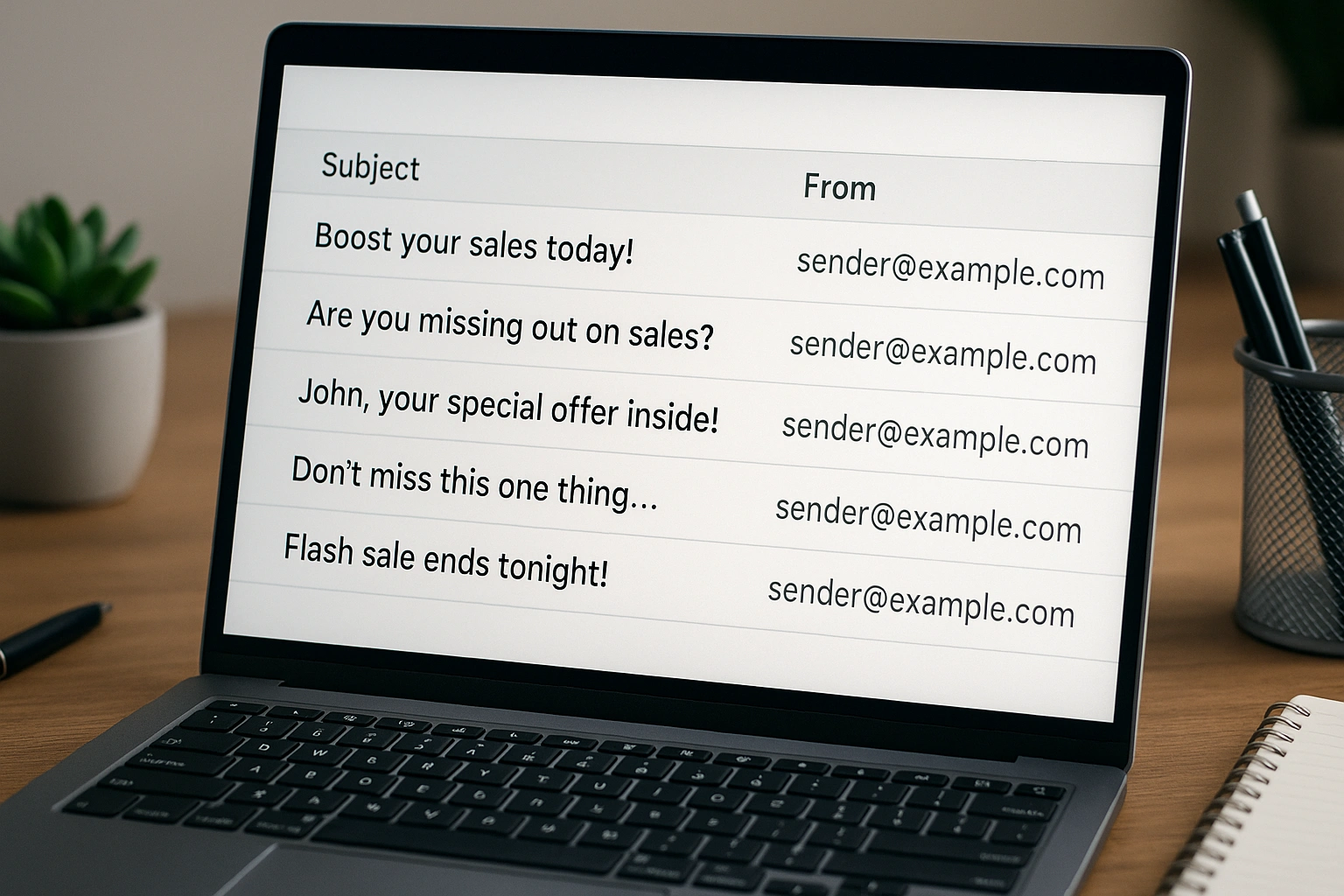
Once clarity and relevance are established, the next step is to make your subject line irresistible. This often involves injecting elements that trigger curiosity, urgency, or a direct benefit. Personalization is a powerful tool here; simply including the recipient’s first name (“John, your special offer inside!”) can significantly increase open rates, as it makes the email feel more personal and less like a mass communication. However, personalization can extend beyond names to include location, past purchases, or expressed preferences, making the subject line highly tailored.
Curiosity is another potent activator. Subject lines that hint at information without giving everything away can be very effective. Phrases like “Don’t miss this one thing…” or “The surprising truth about…” can pique interest and encourage an open. However, balance is key; avoid being overly vague or clickbait-y, which can erode trust over time. Urgency and scarcity, when used authentically, can also drive action. Examples include “Flash sale ends tonight!” or “Limited stock: don’t miss out.” These tactics leverage the fear of missing out (FOMO) and prompt immediate engagement. Finally, benefit-driven subject lines explicitly state what the subscriber stands to gain, such as “Unlock 5 proven strategies to boost your sales.”
Avoiding common pitfalls and refining your approach
While aiming for high open rates, it’s crucial to steer clear of practices that can land your emails in the spam folder or, worse, alienate your audience. Excessive use of ALL CAPS, multiple exclamation points (!!!), or spammy keywords (e.g., “FREE MONEY,” “WORK FROM HOME”) are red flags for email providers and subscribers alike. These tactics scream “spam” and will likely result in your email being ignored or blocked. Similarly, misleading subject lines that promise one thing but deliver another will quickly destroy trust and lead to high unsubscribe rates.
Another common mistake is crafting overly long subject lines. Many email clients, especially on mobile devices, truncate long subject lines, cutting off crucial information. Aim for brevity, typically between 40-50 characters, ensuring your core message is conveyed upfront. Furthermore, never underestimate the power of preheader text. This short snippet of text appears immediately after the subject line in many inboxes and acts as a secondary subject line. Use it to expand on your subject line, add more detail, or provide a compelling call to action, working in tandem with your main subject line to entice opens.
Data-driven optimization and continuous improvement
The true mastery of subject line creation lies in continuous testing and optimization. What works for one audience or industry might fall flat for another. This is where A/B testing becomes indispensable. A/B testing involves sending two different subject lines to small segments of your audience to see which performs better in terms of open rates. You can test various elements:
- Personalization vs. no personalization
- Question-based vs. statement-based
- Short vs. long subject lines
- Emojis vs. no emojis
- Urgency vs. benefit-driven
Analyzing the results of these tests provides valuable insights into your audience’s preferences. For example, you might discover that your audience responds better to direct, benefit-oriented subject lines than to those that rely on curiosity. Here is an illustrative example of how A/B test results might look:
Subject Line Variant |
Description |
Open Rate (%) |
Click-Through Rate (%) |
|---|---|---|---|
| A: “Boost your sales today!” | Benefit-driven, direct | 18.5% | 2.1% |
| B: “Are you missing out on sales?” | Question-based, curiosity | 22.3% | 2.5% |
Based on this hypothetical data, Variant B (question-based) performed better for both open and click-through rates. Regularly reviewing your email service provider’s analytics will help you identify trends, understand what resonates with your subscribers, and refine your strategy over time. It’s an iterative process of testing, learning, and adapting to ensure your subject lines are always at their most effective.