
Mobile-First Website Design: Optimizing for Today’s Users
Introduction
The digital landscape has transformed dramatically over the past decade, with mobile devices becoming the primary way users browse the internet, communicate, and make purchasing decisions. This shift has made mobile-first website design not just important, but absolutely essential for businesses that want to stay competitive and visible online. Whether you’re focused on SEO, user experience, or conversion rates, designing for mobile users first is now the foundation of a successful digital strategy.
This guide breaks down why mobile-first design matters, the core principles behind it, the technical SEO considerations you cannot ignore, and practical steps to build a truly optimized mobile experience that performs well in search engines and delights your audience.
Understanding the Mobile-First Imperative
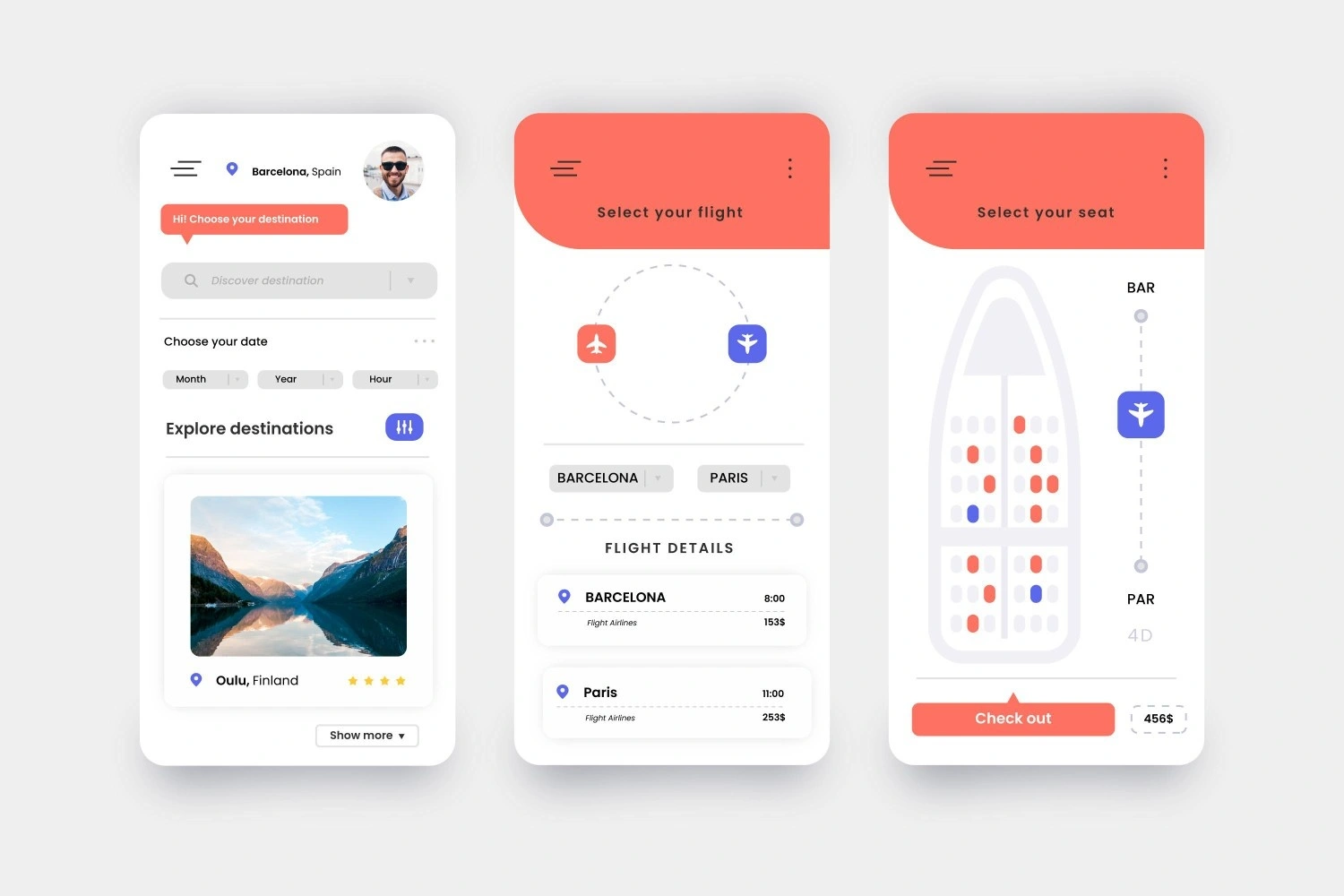
“Mobile-first” is more than a popular phrase—it marks a complete shift in how websites are conceptualized and built. Traditionally, designers started with large desktop screens and then scaled down to mobile. But today’s approach reverses this thinking. With a mobile-first strategy, the core experience is designed for smaller screens first and then enhanced for tablets and desktops.
This shift is driven by real-world behavior:
-
Mobile internet usage consistently exceeds desktop usage worldwide.
-
Google officially moved to mobile-first indexing, meaning it primarily evaluates the mobile version of your website for ranking and indexing.
If your mobile site is slow, poorly structured, or lacks content that appears on your desktop version, your SEO performance suffers immediately. For brands hoping to improve search visibility, engagement, and conversions, embracing a mobile-first mindset is no longer optional—it’s a requirement for sustainable growth.
Core Principles of Mobile-First Website Design
To create a website that performs well on mobile, you must follow several guiding principles that focus on usability, speed, and clarity. While responsive design is the technical method used, the philosophy behind it is what makes a website truly mobile-first.
1. Content Prioritization
Small screens mean limited space. Only the most important content should appear first. Secondary elements can be hidden behind collapsible sections or simple navigation structures.
2. Simplified Navigation
Mobile users expect quick, intuitive navigation. Use hamburger menus, sticky headers, or tab bars that are easy to tap and easy to understand.
3. Touch-Friendly Interactions
Buttons, forms, and links must be large enough for finger taps—Google recommends 48×48 px tap targets.
4. Readable Typography
Text must be easy to read without zooming. Proper spacing, clean sans-serif fonts, and contrast all enhance readability.
5. Optimized Media
Responsive images and videos ensure fast load times. Techniques like lazy loading help improve performance on slower networks.
Technical SEO for Mobile-First Success
Design is only one side of the mobile-first equation. Technical SEO is equally important because Google evaluates your mobile site’s technical health to determine rankings.
1. Page Speed and Core Web Vitals
Mobile users expect speed. Slow websites lead to higher bounce rates. Optimize by:
-
Compressing images
-
Minifying CSS and JavaScript
-
Enabling browser caching
-
Improving server response times
Focus on Core Web Vitals (LCP, FID, CLS) to ensure a smooth, stable experience.
2. Structured Data
Schema markup helps Google understand your content and enhances visibility in mobile search results through rich snippets.
3. Viewport Meta Tag
Always include:
<meta name=”viewport” content=”width=device-width, initial-scale=1.0″>
mobile first website designmobile first website designThis ensures your layout adapts correctly to different screen sizes.
4. Canonicalization
For websites using separate mobile URLs (m-dot sites), proper canonical and alternate tags prevent duplicate content issues.
5. Accessibility
Mobile accessibility matters for both users and SEO. Ensure:
-
Proper HTML structure
-
Strong color contrast
-
Keyboard-friendly navigation
Ignoring accessibility limits your audience and damages search performance.
Impact of Mobile Optimization on Key Website Metrics
Here is how good vs. poor mobile optimization impacts your site:
| Metric Category | Poor Mobile Optimization | Good Mobile Optimization |
|---|---|---|
| Bounce Rate | High (50%+) | Low (under 30%) |
| Conversion Rate | Low (<1%) | High (>3%) |
| Page Load Speed | Slow (>4s) | Fast (<2s) |
| Search Rankings | Lower positions | Higher visibility |
| User Satisfaction | Negative experience | Brand loyalty |
Your mobile strategy directly influences your brand reputation and overall performance.
Implementation Strategies and Common Pitfalls to Avoid
To successfully implement mobile-first design, follow these strategic steps:
1. Prioritize Critical User Journeys
Identify what mobile users need most—such as product browsing, quick contact info, or reading content—and optimize those paths first.
2. Use Responsive Frameworks
Tools like Bootstrap and Tailwind CSS speed up development and maintain design consistency across devices.
3. Test Across Multiple Devices
Use real devices, emulators, and tools like:
-
Google Mobile-Friendly Test
-
Lighthouse
-
PageSpeed Insights
Testing reveals issues early, ensuring a smoother launch.
4. Avoid Intrusive Pop-Ups
Interstitials that cover the entire mobile screen harm user experience and can trigger Google penalties.
5. Don’t Hide Essential Content
Google expects the mobile version of your site to include all important content found on the desktop version. Hidden content may affect rankings.
6. Monitor Mobile Analytics
Use Google Analytics to track:
-
Mobile traffic
-
Bounce rate
-
Average engagement time
-
Mobile conversions
Regular monitoring helps refine your strategy.
Conclusion
Mobile-first website design is no longer just a best practice—it’s the foundation of modern digital success. By prioritizing mobile users in every decision—from layout and navigation to technical SEO and accessibility—you create a website that loads faster, ranks higher, and delivers a superior user experience. Businesses that embrace mobile-first principles build stronger engagement, improve visibility in mobile search, and stay competitive in a world where most browsing happens on handheld devices.